Corporate Responsibility
Acting out of conviction.
Social, ecological and corporate responsibility.
For over 100 years, a company of tradition as well as commitment.
Behind Seidensticker is family.
As a family-owned company our aim is to ensure the convergence of social, ecological and economic responsibility.
We act responsibly in our dealings with people and our environment – but we are still striving forward to what we have planned for the future. We are working continuously and intensively to gradually achieve even more sustainability and are setting truly ambitious goals to achieve this.
Our commitment
Fair working conditions and the lowest possible environmental impact are essential aspects of our corporate policy.
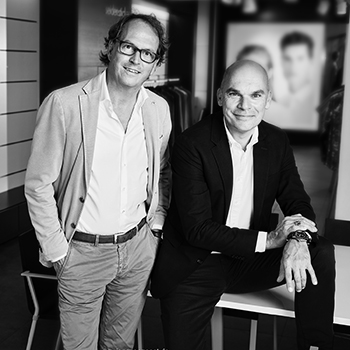
Managing partners of the Seidensticker Group

„Consistent compliance with the highest safety and social standards has been a matter of course for generations – both in our own four production facilities as well as at our partner companies. Corporate and social responsibility are clearly in the center of attention in the making of our products.”

Even in the 1960s, as one of the first clothing manufacturers in Europe, we made contact with suppliers in Asia and began to establish long-term, trusting relationships with our international partners. In 1974, we founded our own purchasing offices in Hong Kong called Seidensticker Overseas Ltd. To this day the production in the Asian region is still managed from these offices. Most articles of our collections are produced in our own manufacturing plants: In 2007 we opened our first own production facility in Vietnam, followed by a further facility in Indonesia in 2014. In 2019 our third own production site was opened – also in Vietnam.
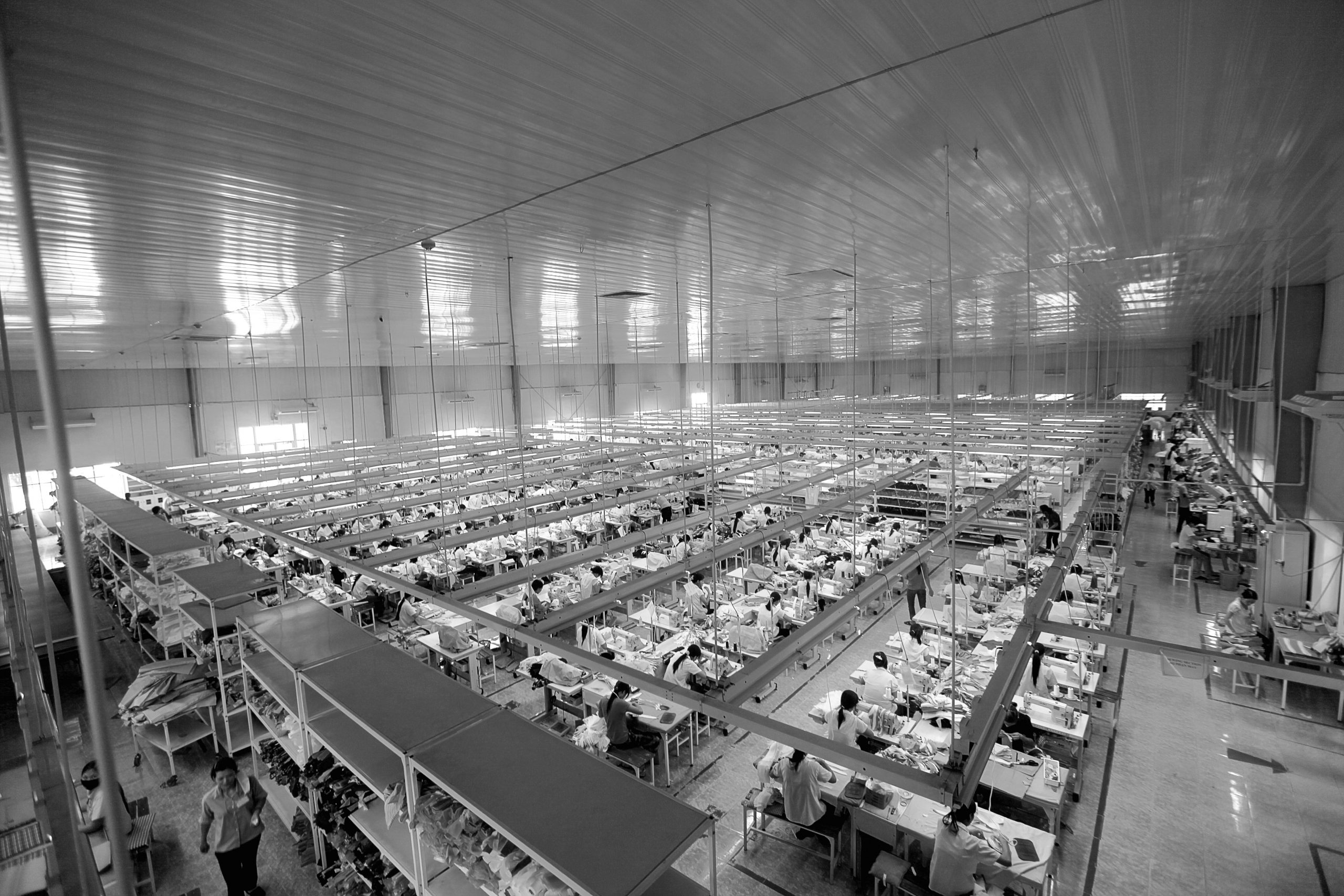
Almost all of the shirts and blouses of the Seidensticker collections are produced in our own production sites in Vietnam and Indonesia. Operating in our own facilities, we are in the position to control, to safeguard and to observe the corporate due diligence obligations by our own team of highly trained inspectors. But our social responsibility goes even further: Fair cooperation with our partner companies is also an important concern for us. All production sites, where our products are manufactured, are regularly audited by independent testing institutes and monitored by non-governmental organisations. Additionally, we are involved in a direct exchange with our suppliers, monitoring the situation there by means of regular visits to these partner companies. All production facilities – both our own three production sites and those of our partners – meet the highest international, social and ecological standards.
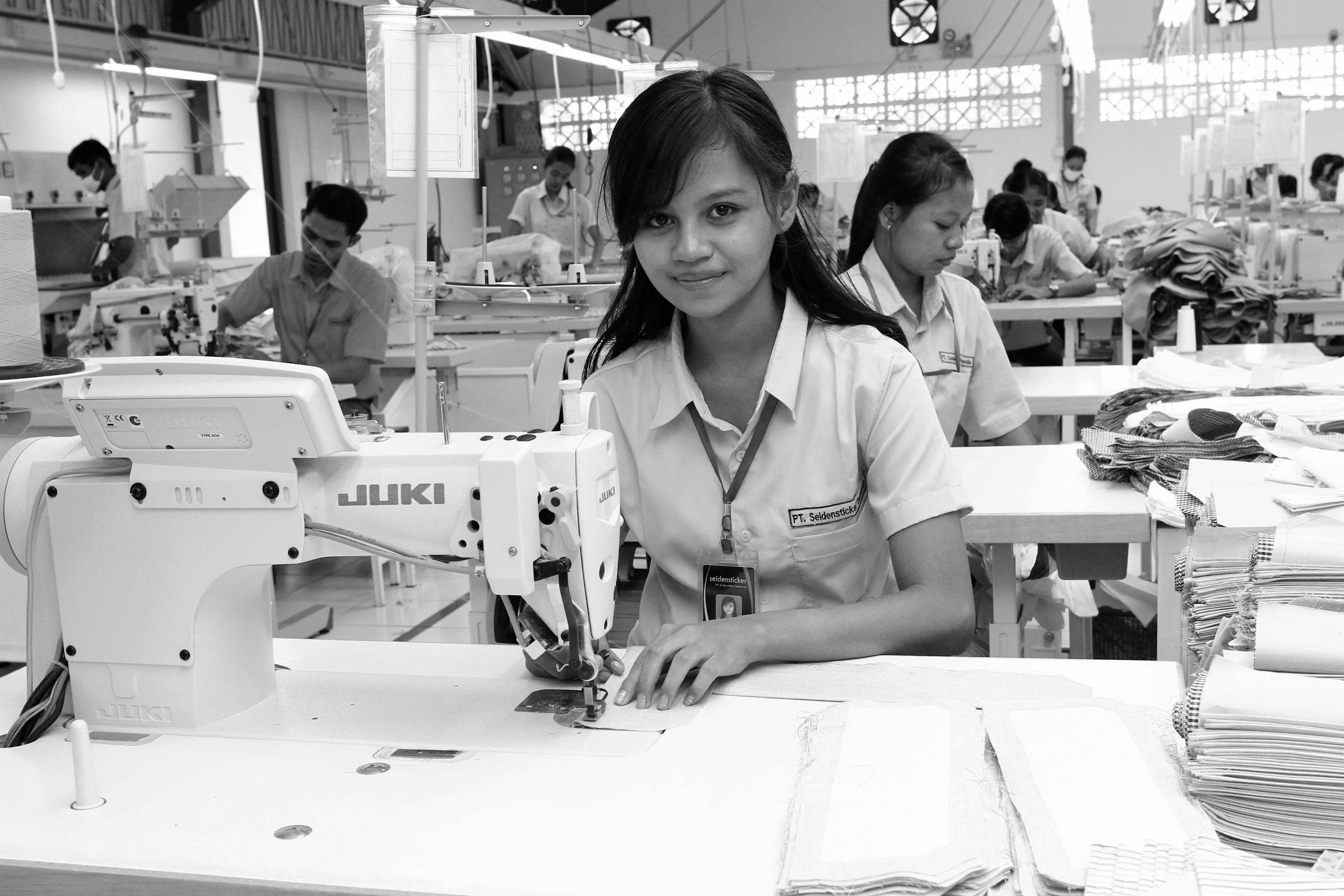
We are a family business and have been living this sense of human values for over 100 years now. A team of 2,200 employees is working for Seidensticker worldwide and beyond this a lot of partner companies and partner teams.
In order to protect the people who produce our collections, we have specified important, non-negotiable minimum requirements for a co-operation in our Code of Conduct. The Code of Conduct defines social and environmental guidelines and is strictly based on the ILO international core labour standards. All partners commit themselves to fulfil these requirements as a basis for the business relationship. The observance of the Code of Conduct is controlled and safeguarded regularly by our own team and by independent testing institutes.
The Code of Conduct guarantees:
- Exclusion of forced labour
- Exclusion of child labour
- No discrimination
- Fair, living wages
- Working hours of max. 48 hours per week
- Compensation for overtime
- Safe and hygienic working environment
- Continuous commitment to minimise environmental pollution
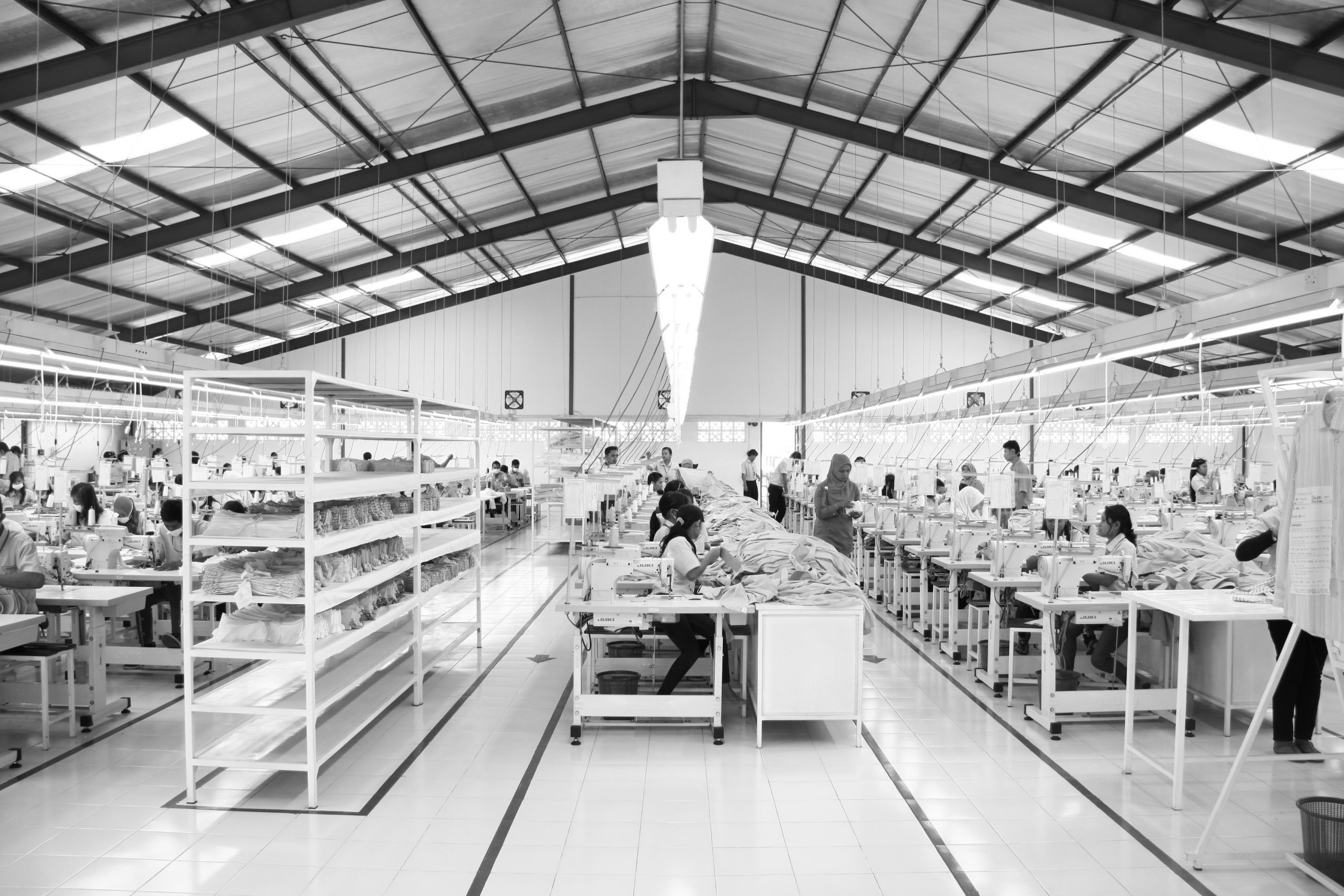
Almost all of the shirts and blouses of the Seidensticker collections are produced in our own production sites in Vietnam and Indonesia. Operating in our own facilities, we are in the position to control, to safeguard and to observe the corporate due diligence obligations by our own team of highly trained inspectors. But our social responsibility goes even further: Fair cooperation with our partner companies is also an important concern for us. All production sites, where our products are manufactured, are regularly audited by independent testing institutes and monitored by non-governmental organisations. Additionally, we are involved in a direct exchange with our suppliers, monitoring the situation there by means of regular visits to these partner companies. All production facilities – both our own three production sites and those of our partners – meet the highest international, social and ecological standards.
Strategy and governance
On our own responsibility.
Supply chain
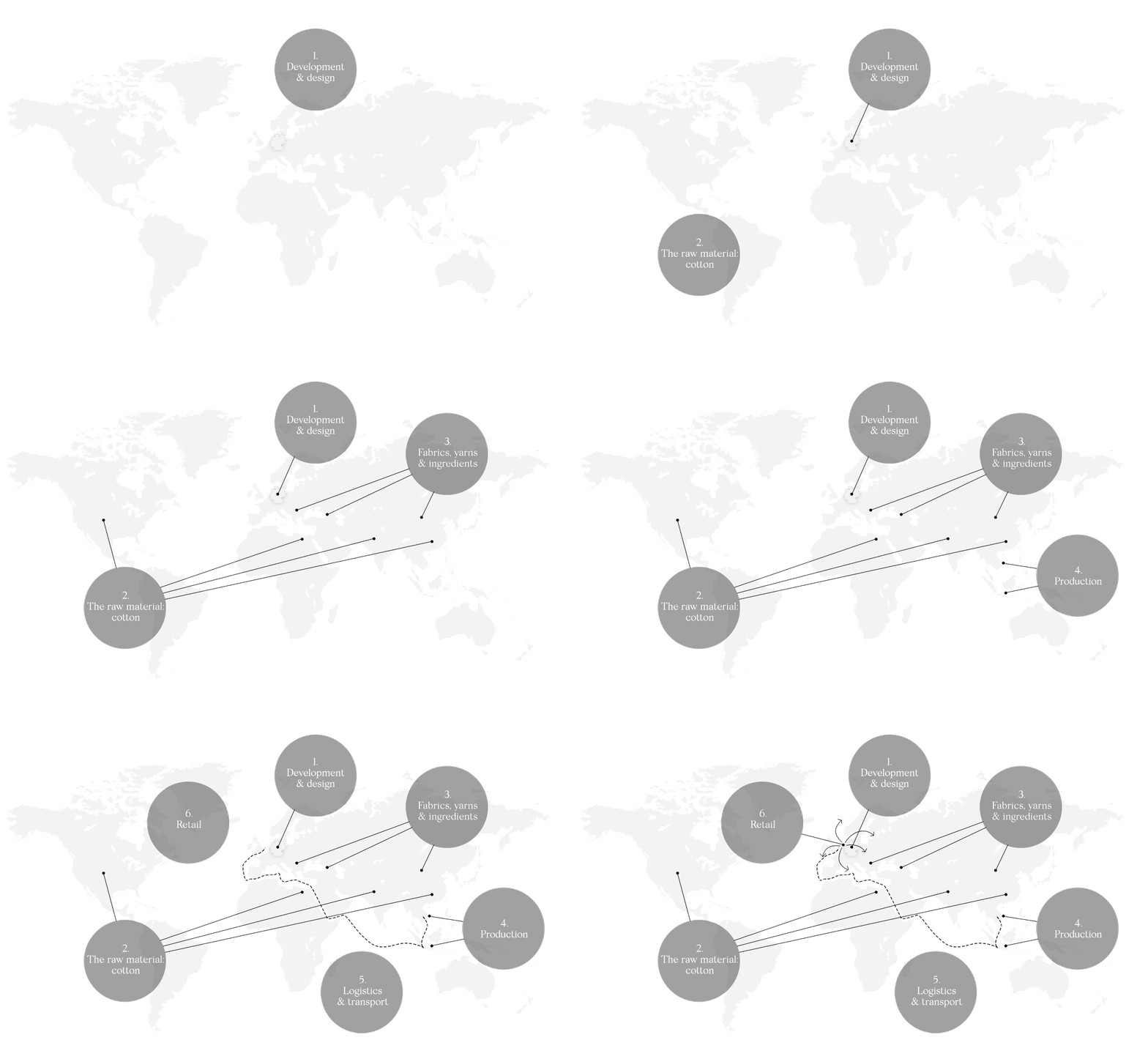
On the way to 360 degrees
Ecology
Sustainably protect people and the environment.
Our raw material: cotton
Many of our products consist of cotton – some of them to 100%. For this reason cultivation of the raw material is of particular importance for us. The cultivation of conventional cotton is often accompanied by high water consumption, the use of pesticides and herbicides as well as genetically modified seeds. We are committed to reducing the environmental pollution caused by the production of our collections, in order to strengthen the cultivation of sustainable cotton.
The cotton used in our shirts and blouses comes mainly from Egypt, the USA, China, and India. The raw material is largely grown by small farmers and provides a livelihood for many families worldwide. That is why it is very important to us that cotton farmers receive regular training and education on sustainable raw material cultivation and that the farming of our most important raw material is as environmentally friendly as possible. Seidensticker has been a member of the Better Cotton Initiative (BCI) since 2019 to promote the sustainable cultivation of cotton worldwide.
Our production
We also want to make production in our manufacturing facilities more sustainable step by step. We therefore ensure that environmentally hazardous chemicals are avoided in our manufacturing processes in order to reduce the human and ecotoxicological impact of chemicals. Against this background, we require our suppliers to comply with the ZDHC MRSL. This Manufacturing Restricted Substances List is a globally recognized standard for textile and clothing production developed by the Zero Discharge of Hazardous Chemicals (ZDHC) initiative. The ZDHC MRSL defines a list of chemical substances whose intentional use in production processes is prohibited.
The list includes hazardous chemicals that could be used in production and processing facilities and thus potentially enter the environment. It aims to prevent human and environmental exposure to pollutants by prohibiting the use of these substances from the source of manufacture.
Shirts and blouses from the Seidensticker brand are STANDARD 100 certified and are therefore subject to rigorous testing for chemicals that are harmful to health and the environment.
Social commitment
Achieving more together. Social engagement in initiatives and organisations.
We are firmly convinced that positive and far-reaching changes in social and ecological conditions are only possible if we advocate these together with other companies and nurture an open exchange with all stakeholders. For this reason we have joined various initiatives and rely on the expertise of independent standard organisations:
ClimatePartner
For the delivery of online orders, we use climate-neutral shipping boxes. Companies or products whose CO2 emissions have been calculated and offset by investing in recognized climate protection projects are considered climate-neutral. In addition to offsetting, the reduction and avoidance of CO2 emissions is an important step in holistic climate management. The wind power project in Brazil – selected to offset the emissions of our shipping boxes – provides the surrounding communities with clean energy.
Detailed information on the climate protection project can be found with the ClimatePartner Tracking ID 12505-2009-1001 or under the following link: Click here
International Labour Organization (ILO)
The International Labour Organization (ILO) is a United Nations specialized agency with its headquarters in Geneva. This organisation is responsible for the formulation and enforcement of international labour and social standards. The globally binding minimum standards are intended to protect workers’ rights and consequently fair working conditions. We feel committed to the ILO Core Labour Standards, because we see this is as an elementary component of the procurement chain. The compliance with these standards is regularly controlled by us, as well as by independent third parties.
Amfori BSCI
Since 2008 we are a member of the amfori Business Social Compliance Initiative. The amfori BSCI is a corporate association of purchasing companies based on the International Labour Standards of the ILO. Since its foundation, this association pursues the goal of promoting international socially acceptable working conditions in various industrial sectors. The amfori BSCI creates a platform for member companies containing European codes of conduct, monitoring systems and common social principles. The initiative also supports the members with special audits to ensure that partner companies and suppliers act responsibly with both people and environment, as well as observing the BSCI Code of Conduct in their facilities. Our own production site in Semarang, Indonesia has undergone several amfori BSCI audits receiving outstanding results.
SA8000
SA8000 is one of the world’s leading and most ambitious social responsibility standards. SA8000 is a cross-sectoral and certification programme for social working conditions, independent of company size, and is based on internationally recognised standards such as the ILO Core Labour Standards. SA8000 certification follows a management system approach, in analysing and evaluating social criteria and stands up for continuous improvements. Organisations and companies, awarded the SA8000 certificate, advocate occupational safety along with good, healthy working conditions, compliance with human and labour rights and the payment of a living wage, criteria which are non-negotiable.
Our production sites in Chi Linh and Haiphong, Vietnam are SA8000 certified.
OEKO-TEX® STANDARD 100
OEKO-TEX® STANDARD 100 is an independent certification system for the testing of harmful substances in textile raw materials, intermediates and end products. Products certified with OEKO-TEX® STANDARD 100 satisfy the comply with the criteria for the use of substances that can be harmful for human health. All products of Seidensticker brand are OEKO-TEX® STANDARD 100 certified and therefore free from hazardous substances.
STeP by Oeko-Tex / Made in Green
STeP by Oeko-Tex is an independent testing system for the certification of environmentally-friendly manufacturing plants. The Oeko-Tex STeP-certificate verifies that the factories meet the highest ecological and social requirements. In this way manufacturing plants are inspected according to strict criteria for environment, chemicals and wastewater management, as well as for compliance with social criteria.
The vast majority of fabrics used for Seidensticker products, are produced in Oeko-Tex® STeP-certified factories. Added to this our two manufacturing plants in Vietnam are Oeko-Tex® STeP-certified since middle of the year 2020.
Alliance for Sustainable Textiles
The Seidensticker Group is a member of the Partnership for Sustainable Textiles. The Partnership for Sustainable Textiles is committed to a social, ecological, and corruption-free textile and clothing industry. To this end, the Partnership is guided by the fundamental international agreements of the UN on the observance of human and workers’ rights, environmental protection, and the prevention of corruption, as well as by corresponding EU guidelines and initiatives. To achieve its goals, the Textile Alliance places particular emphasis on the implementation of corporate due diligence in Germany, Europe, and worldwide. The multi-stakeholder initiative has around 130 members from companies, associations, trade unions, civil society, standards organizations, and the German federal government. It has developed an industry-specific implementation framework and reporting format and initiates joint alliance initiatives in production countries, for example on living wages, wastewater management, and complaint mechanisms.
Global Organic Textile Standard (GOTS)
The Global Organic Textile Standard (GOTS) is one of the leading international standards for processing textiles made from organically produced natural fibers. GOTS defines strict environmental requirements – such as the use of chemicals and wastewater management – as well as social criteria for actors at all stages of the textile supply chain. The cotton in GOTS-certified products comes from organic cultivation, and all actors in the textile supply chain have been verified for compliance with environmental and social requirements. For garments to carry the GOTS label, all suppliers must be GOTS-certified from the cultivation of raw materials to the finished product.
The headquarters of the Seidensticker Group located in Bielefeld is GOTS-certified, CERES-1569. Not all products are GOTS-certified.
National Action Plan for Economy and Human Rights (NAP)
The Seidensticker Group supports the National Action Plan for Business and Human Rights, which is based on the guidelines of the United Nations for the protection of human rights regarding global supply chains. We take our corporate duty of due diligence along the value added chain very seriously and are more than aware of the impact that our supply chain has on local structures and people. Within the framework of extensive analyses, we regularly deal with potential risks and are in direct contact with stakeholders involved in the added value of our products in order to avoid any adverse environmental effects.
Social responsibility
Seidensticker together
Social activities: Commitment by conviction